Stay Connected: Top Emergency Communication Devices for Any Crisis
Best Emergency Communication Devices to Own
In an emergency, communication becomes a lifeline. Whether you’re coordinating with family, seeking rescue, or staying informed about the evolving situation, the right communication tools can make all the difference.
When traditional communication systems fail—such as phone lines, cell towers, or the internet—having alternative devices ready ensures that you’re never entirely cut off. Owning the best emergency communication devices means staying connected and gaining vital information when it’s needed the most. The key is to choose devices that are reliable, portable, and suited to a variety of emergency situations.
Emergency Radio
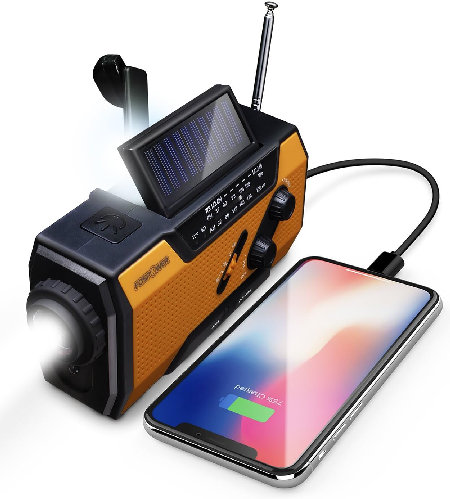
The first essential emergency communication device is a hand-crank or solar-powered emergency radio. In most disaster scenarios, losing access to regular news and updates can put you at a major disadvantage.
Without knowing what’s happening, you could miss vital instructions, such as evacuation orders or news about relief efforts. A hand-crank or solar-powered emergency radio ensures that you can always receive weather alerts, disaster updates, and emergency broadcasts, even when the power grid is down.
NOAA weather radios are especially useful in natural disasters like hurricanes, tornadoes, or wildfires, as they provide real-time alerts directly from the National Weather Service.
Hand-crank radios are particularly valuable because they don’t rely on batteries or external power sources. A few minutes of cranking the handle can generate enough power to run the radio for a short period, allowing you to stay informed without worrying about batteries running out.
Many of these radios also include USB ports for charging small devices like phones or flashlights, making them versatile tools in your emergency kit. Some models also feature a built-in flashlight, further increasing their usefulness.
Walkie Talkie
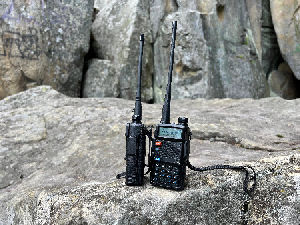
Another vital communication tool is the two-way radio or walkie-talkie. In many emergencies, particularly those that require evacuation, you may find yourself separated from your family or group members.
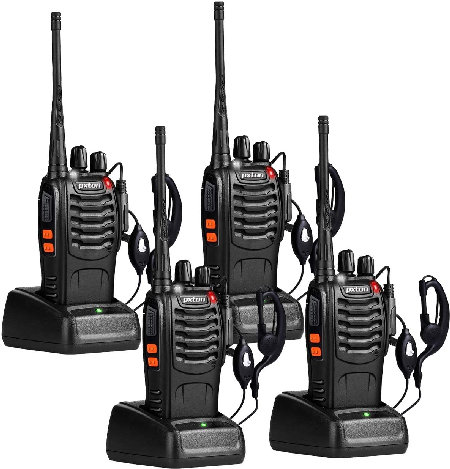
Cell phones may not work due to overloaded networks or damaged infrastructure, leaving you without a way to communicate with others nearby. Two-way radios solve this problem by allowing short-range communication between devices, regardless of cell networks. Modern walkie-talkies have a range of several miles, depending on terrain, and are lightweight enough to carry with you in a bug-out bag or survival kit.
Two-way radios are particularly useful in situations where coordinating with others is essential—whether you’re on foot, in separate vehicles, or spread out over a large area. Look for models that are waterproof or weather-resistant, ensuring they hold up in harsh conditions.
Some walkie-talkies also offer NOAA weather alerts, providing an additional layer of safety when you’re on the move. When choosing a two-way radio, check the battery life and make sure it can be charged through alternative means, like solar panels or battery packs.
HAM Radio
For those who need a longer-range solution, a HAM radio (amateur radio) is one of the most powerful communication tools available in a grid-down scenario. Unlike two-way radios, which have limited range, HAM radios can communicate over much greater distances, even hundreds of miles, depending on the equipment and conditions.
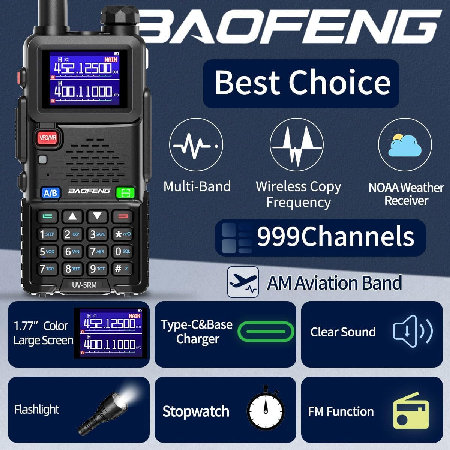
While using a HAM radio requires a license, it’s one of the best ways to communicate when all other systems have failed. HAM radio operators are often among the first to relay important information during major disasters, helping spread news about conditions, rescues, and relief efforts.
HAM radios come in both handheld and base station models, with handheld units being more portable and versatile. Base stations, on the other hand, offer more power and range but are more suitable for home or stationary use.
Some HAM radios can be powered by solar panels or battery packs, ensuring you can stay connected even without access to the grid. Many survivalists rely on HAM radio as their go-to communication method during emergencies because of its reliability and the strength of its signals, even in remote areas.
Satellite Phone
Another must-have communication tool is a satellite phone. In areas where cell towers and communication infrastructure have been destroyed, satellite phones provide an alternative by connecting directly to satellites orbiting the earth.
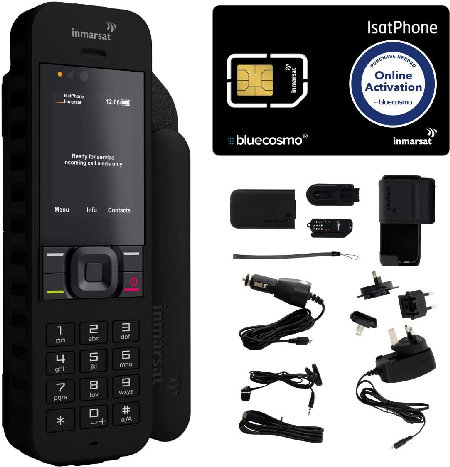
Unlike cell phones, which rely on local networks, satellite phones can function anywhere with a clear line of sight to the sky. This makes them especially useful in remote locations, areas affected by widespread infrastructure damage, or during extended emergencies where other forms of communication are unreliable.
Satellite phones tend to be more expensive than other communication devices, but they offer the advantage of being able to make calls and send texts from virtually anywhere in the world. Some models also allow you to access the internet, though at slower speeds than traditional broadband.
For those who expect to be in truly remote or catastrophic situations, a satellite phone provides peace of mind, knowing that you can still reach emergency services or loved ones no matter how bad the situation gets.
Personal Locator Beacon (PLB)
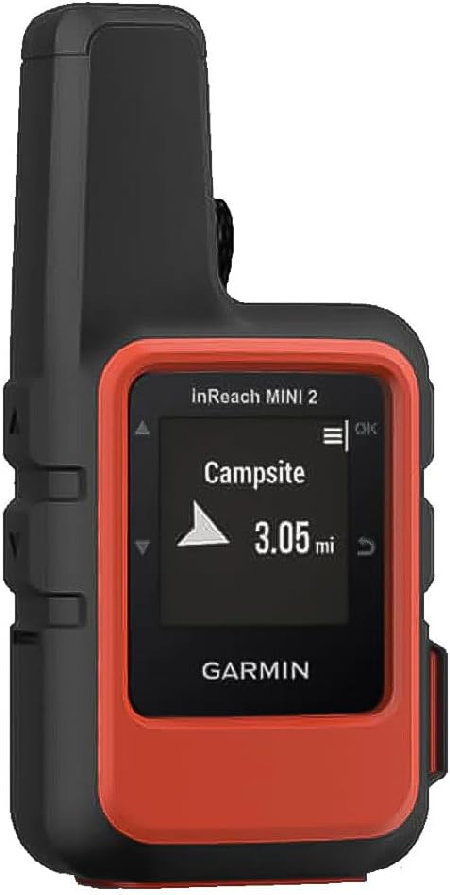
One of the newer and more affordable options in emergency communication is a personal locator beacon (PLB) or satellite messenger. While these devices don’t allow for two-way communication like satellite phones or radios, they are excellent for signaling for help in life-threatening situations.
PLBs are designed to send out a distress signal via satellite to emergency responders, allowing them to pinpoint your location even in the most remote areas.
These devices are primarily used by hikers, campers, or those traveling in wilderness areas, but they can also be valuable in large-scale disasters where traditional rescue services are overwhelmed or unavailable.
A satellite messenger, like the Garmin inReach, goes a step further by offering limited two-way text messaging capabilities in addition to distress signaling. Both PLBs and satellite messengers are lightweight, portable, and built to function in harsh conditions, making them a smart addition to any bug-out bag or survival kit.
CB Radio
Finally, CB radios (citizen band radios), though somewhat outdated compared to newer technologies, still offer valuable communication capabilities in certain scenarios. CB radios have been a staple for truckers and off-roaders for decades because they allow for communication over short to medium distances without requiring a license. They are ideal for use in vehicles during an evacuation, allowing you to communicate with other drivers or people in nearby areas.
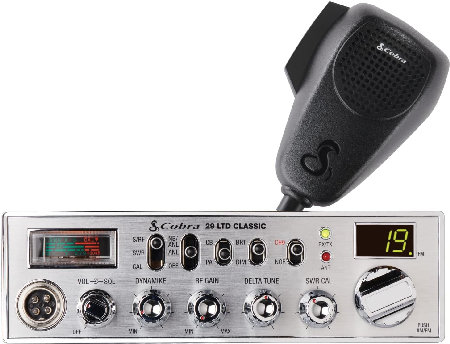
While CB radios don’t have the range of HAM radios or the portability of two-way radios, they are reliable for localized communication in areas where you may not have cell service.
They’re also easy to use and require minimal setup, making them a practical option for those who want an inexpensive, straightforward communication tool in their vehicle or home.
Having the right emergency communication devices can make all the difference when disaster strikes. Whether you’re relying on a hand-crank radio for information, using two-way radios to stay connected with family, or turning to a satellite phone for long-range communication, these tools ensure you can always communicate when it matters most. In emergencies, knowledge is power, and the ability to stay connected to vital information and loved ones is key to surviving and thriving through any crisis.