Critical Survival First Aid Supplies
Having a well-stocked first aid kit is essential for any prepper. In a survival situation, medical emergencies can arise without warning, and access to professional healthcare might be limited or nonexistent.
The ability to treat injuries, manage pain, and prevent infections can be the difference between life and death. Building a comprehensive first aid kit tailored to your specific needs and environment is crucial for long-term preparedness.
The first and most important category in any first aid kit is wound care supplies. Injuries like cuts, scrapes, punctures, and burns are common in survival scenarios, and they can quickly become life-threatening if not treated properly.
Basic Wound Care
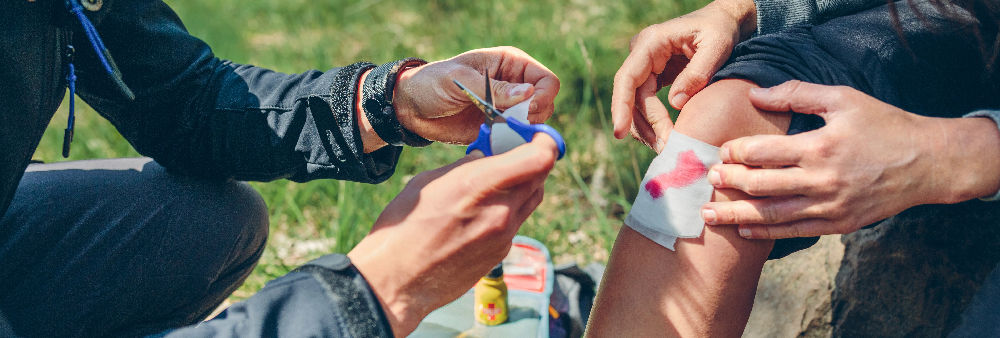
Basic wound care items should include sterile bandages, gauze pads, adhesive bandages in various sizes, and medical tape. Sterile gauze and non-stick pads are essential for covering open wounds and preventing infections.
You’ll also want to include wound-closure strips, such as butterfly bandages, which can help close small to medium-sized wounds when stitches aren’t an option. Antiseptic wipes or solutions like iodine, hydrogen peroxide, or alcohol are crucial for cleaning wounds before applying bandages.
Proper wound cleaning prevents infection, which can lead to more severe complications if untreated. A pair of sterile gloves is also important for keeping the wound area clean while you work.
In addition to these basics, consider adding an Israeli bandage or trauma dressing for treating more serious injuries. These types of bandages are designed for high-pressure application to control heavy bleeding and can be a lifesaver if you’re dealing with a deep wound or severe laceration.
Hemostatic agents, such as clotting sponges or powders, should also be part of your kit. These products are designed to help blood clot faster, which is essential when dealing with life-threatening bleeding.
Compression Wraps
For fractures, sprains, or dislocations, splints and compression wraps are necessary. A SAM splint is a lightweight, moldable device that can be used to immobilize broken bones or stabilize a sprain.
You should also include elastic compression bandages, which can help with swelling and provide support for sprained or strained muscles. A triangular bandage is a versatile piece of equipment that can be used to create a sling for an injured arm, hold a splint in place, or apply pressure to a wound.
Keeping these items on hand ensures that you can stabilize an injury and prevent further damage until professional help becomes available or you can move the person to a safer location.
Pain Management
When building a first aid kit, pain management is another critical component. Over-the-counter pain relievers like ibuprofen, acetaminophen, and aspirin are must-haves for managing a variety of symptoms, from headaches and muscle pain to fever and inflammation.
Each of these medications serves a different purpose. Ibuprofen is great for reducing inflammation, making it ideal for sprains or injuries where swelling is present. Acetaminophen is a go-to for general pain relief and fever reduction, while aspirin can be used in emergencies to help with heart attack symptoms.
Having a well-rounded supply of these medications ensures that you can manage minor pains and discomforts as well as respond to more severe issues. Be sure to also include any necessary prescription medications for yourself or others in your group, particularly if anyone has chronic conditions that require daily management.
Treating Infections
In a survival situation, infections are a serious risk, so antibiotics and antimicrobial ointments should be included in your first aid supplies. Triple antibiotic ointments like Neosporin are useful for treating small wounds, cuts, and scrapes, reducing the risk of bacterial infections.
If you have access to it, prescription antibiotics, such as amoxicillin or doxycycline, can be a lifesaver when infections do occur. Antibiotics should be stored properly and used only when absolutely necessary, as overuse can lead to resistance.
However, in a situation where medical help is not immediately available, having a supply of broad-spectrum antibiotics can give you an essential tool for treating infections before they worsen.
Burn Treatment
Another key category in your first aid kit is burn treatment supplies. Burns can occur in a variety of survival situations, whether from cooking, fire-starting, or accidents involving hot surfaces or chemicals.
Burn dressings or gel pads, which are designed to cool the burn and prevent further damage to the skin, should be part of your kit. Aloe vera gel or burn ointments can also help soothe the pain and promote healing. It’s important to have non-stick bandages available, as regular bandages can stick to burn wounds and cause more pain or damage when removed.
CPR
For situations where you may need to administer CPR or deal with choking, a CPR mask is an important item to include. The mask provides a barrier between you and the person you’re helping, reducing the risk of disease transmission during mouth-to-mouth resuscitation. Having a CPR mask in your kit means you can act quickly and safely in a life-threatening situation.
Eye Care
Eye care supplies are often overlooked in first aid kits, but they’re vital for treating injuries like chemical splashes, debris, or burns to the eyes. A sterile eye wash solution or saline can help flush out irritants, while eye pads can be used to protect the injured eye.
Tweezers are also important for removing debris from the eyes or other areas of the body, such as splinters or thorns. Always ensure that your tweezers are sterile before use to avoid introducing infection into a wound.
Personal Hygiene and Sanitation
Don’t forget about personal hygiene and sanitation supplies, which are crucial for preventing infections and keeping wounds clean. Include hand sanitizer, antibacterial wipes, and soap in your first aid kit.
These items are not only useful for cleaning your hands before treating wounds but also for maintaining basic hygiene in survival situations. Infection and disease spread rapidly in unsanitary conditions, so maintaining cleanliness is a top priority when you’re dealing with medical care in the field.
Specific Family Needs
Finally, be prepared to adapt and tailor your first aid kit to the specific needs of your family or group. If anyone has allergies, be sure to include antihistamines and, if necessary, an EpiPen to treat severe allergic reactions.
An EpiPen can be life-saving in the case of anaphylaxis, which can occur from food, insect stings, or other allergens. Having these supplies readily available means you can respond quickly to a potentially deadly situation.
First aid supplies are the backbone of any survival plan. Having a well-rounded kit ensures that you can handle everything from minor cuts and scrapes to serious injuries like fractures or burns. In a crisis, professional medical help may not be available immediately, so being able to treat injuries and prevent infections on your own is crucial.
By building a kit that includes wound care supplies, medications, splints, and burn treatments, you’ll be prepared to handle medical emergencies and ensure the health and safety of your group.

