
Don’t Overlook Pet First Aid And Medical Preparedness
Pet first aid and medical preparedness is a cornerstone of ensuring your pet’s survival and well-being during emergencies. Accidents and health crises can happen at any time, especially during chaotic situations when pets are more vulnerable.
Knowing how to handle common injuries, assembling a comprehensive first aid kit, and being prepared to seek professional veterinary care can save your pet’s life and prevent minor issues from escalating into major problems.
Understanding essential first-aid knowledge is the first step. Pets can sustain various injuries in emergencies, and knowing how to respond immediately can make all the difference.
Cuts and lacerations are common, especially if debris or sharp objects are present. Cleaning the wound with a pet-safe antiseptic and applying a sterile bandage can prevent infection and stabilize the injury until professional care is available.
Choking is another serious concern, as pets may ingest unfamiliar objects in their environment. Learning to safely perform the Heimlich maneuver on your pet can dislodge obstructions and restore their ability to breathe.
Bleeding is a critical issue that requires immediate action. Applying pressure to the wound with a clean cloth or gauze can slow the bleeding, while styptic powder can help seal minor wounds quickly.
For burns, whether from fire, hot surfaces, or chemicals, flush the affected area with cool water and avoid using ice, which can worsen tissue damage. Sprains or broken bones should be immobilized using makeshift splints or bandages to prevent further harm.
Dehydration and heatstroke are life-threatening conditions that are especially prevalent during hot weather or extended power outages. Dehydration often presents with symptoms like sunken eyes, dry gums, or lethargy.
Providing small amounts of water at frequent intervals can help rehydrate your pet, but severe cases require veterinary intervention. Heatstroke symptoms include excessive panting, drooling, and uncoordinated movements.
Moving your pet to a cool area, applying damp towels to their body, and offering water can help bring their temperature down, but immediate veterinary care is crucial to prevent organ damage.
Taking a pet first aid and CPR course is highly recommended for any pet owner. These courses provide hands-on training in handling emergencies and equip you with the confidence to act effectively.
Many organizations, like the Red Cross, offer pet-specific first aid classes that cover everything from administering CPR to recognizing early signs of distress. This training is invaluable in situations where professional help may not be immediately available.
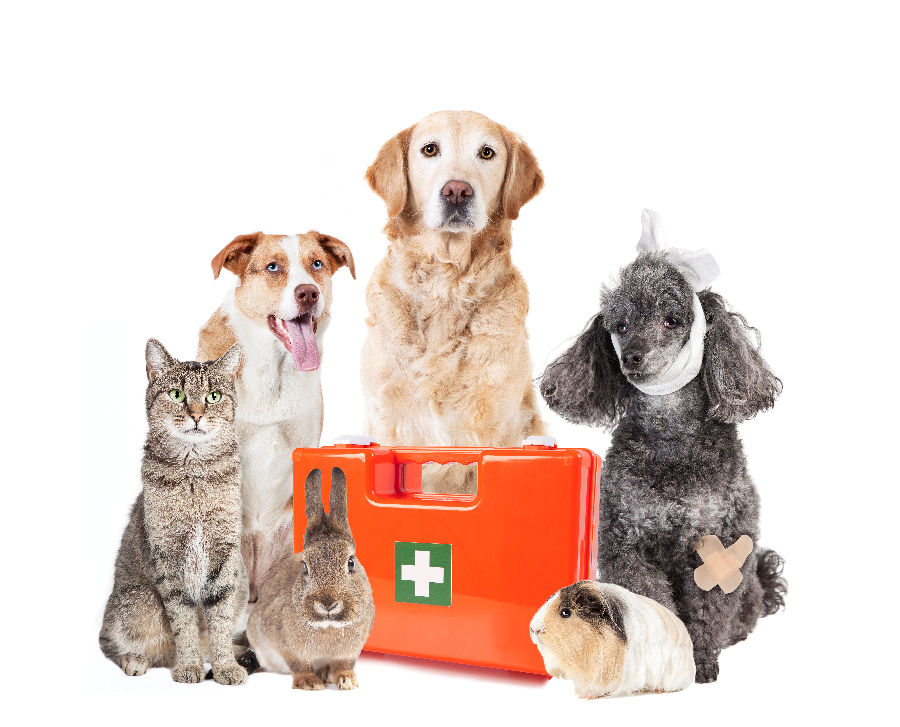
A well-stocked pet first aid kit is a vital part of your emergency preparedness. Start with basic items like bandages, gauze, and adhesive tape for wound care. Include antiseptics that are safe for pets, as human antiseptics like hydrogen peroxide or alcohol can be harmful.
Tweezers are essential for removing splinters, ticks, or other foreign objects, while scissors with rounded tips can safely cut bandages or fur around injuries. Add styptic powder to stop minor bleeding and disposable gloves to maintain hygiene during treatment.
Emergency medications are another critical component of your kit. If your pet has prescription medications, ensure you have at least a two-week supply stored in a waterproof container.
Over-the-counter remedies, like anti-diarrheal medications or antihistamines (veterinarian-approved), can help manage minor issues until professional care is available.
Natural remedies, such as aloe vera for minor burns or chamomile for calming, can also be included, but only use them if you are certain they are safe for your pet’s species and condition.
Keeping detailed veterinary records is an essential part of medical preparedness. A health log for each pet should include their vaccination history, ongoing medical conditions, medications, and any allergies.
This information is critical for veterinarians unfamiliar with your pet’s history and can guide treatment decisions in emergencies. Store physical copies of these records in your emergency kit and digital backups on your phone, computer, or cloud storage.
Establishing contact with local veterinarians who handle emergencies is another important step. Identify clinics in your area that offer 24-hour care or specialize in emergency services.
Make a list of their contact information, including addresses and phone numbers, and verify their availability during disasters. Include contact information for animal shelters, animal control, and out-of-area veterinarians as well. These resources can provide alternative care options if local services are overwhelmed or inaccessible.
Maintaining a list of emergency contacts is essential for quick action during crises. This list should include your regular veterinarian, an emergency veterinary clinic, local shelters, animal control, and trusted friends or family members who can help care for your pets if needed.
Keep multiple copies of this list: one in your emergency kit, one on your phone, and one shared with trusted contacts. Having this information readily available ensures you can act decisively, even if phone lines or internet access are disrupted.
Pet first aid and medical preparedness is about more than having supplies—it’s about knowing how to use them and being ready to respond to any situation. Emergencies test your ability to stay calm and think clearly, and having the tools and knowledge to care for your pet can make all the difference. By preparing for the unexpected, you can protect your pet’s health and give them the best chance of staying safe, no matter what challenges arise.