
Special Needs Pet Survival Considerations
Special circumstances call for tailored survival strategies to ensure every pet, regardless of their age, health, or unique needs, has the best chance of staying safe during emergencies.
Pets who require extra attention, like seniors, disabled animals, pregnant or nursing pets, recently adopted pets, those in multiple-pet households, or exotic species, face distinct challenges that require thoughtful planning and preparation.
Senior Pets
Older pets often have slower mobility, chronic health conditions, or reduced stamina, making them more vulnerable in emergencies. For senior dogs or cats, ensure you have an ample supply of any prescription medications they require, such as those for arthritis, heart disease, or diabetes.
Include mobility aids like ramps, slings, or harnesses to help them navigate difficult terrain or stairs during evacuations. If your pet has special dietary needs, stockpile their specific food to avoid disruptions that could upset their health. Pay close attention to their stress levels during emergencies, as senior pets may take longer to recover from disruptions to their routine.
Disabled Pets
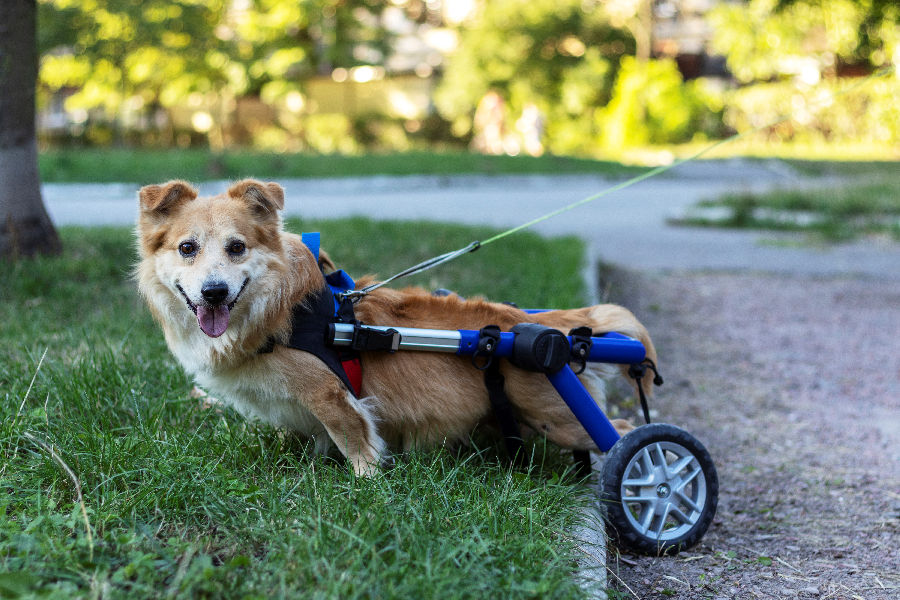
Disabled pets require additional accommodations to ensure their safety. For pets with mobility issues, portable carts or wheelchairs should be included in your emergency supplies.
Pets who are blind or deaf need consistent, tactile cues to navigate new or stressful environments. Use leashes, carriers, or crates to keep them secure and prevent disorientation in unfamiliar surroundings.
Always pack extra medical supplies, such as wound care items, prosthetics, or special bedding for animals prone to pressure sores. Rehearse evacuation drills to ensure you can safely assist them in a crisis.
Pregnant or Nursing Animals
Pregnant or nursing pets are particularly vulnerable during emergencies, as their needs extend beyond their own health to include their offspring. For pregnant animals, prepare a designated birthing area with clean towels, bedding, and supplies in case delivery occurs during a crisis.
Have a list of emergency veterinary contacts ready, as complications during birth may require immediate professional care. Nursing animals will need additional food and water to sustain milk production.
Keep young offspring warm and secure, particularly in extreme weather or during transport. For cats or dogs, a secure crate lined with soft bedding can serve as a temporary whelping or nesting area.
Recently Adopted Pets
Recently adopted pets may not yet feel fully secure in their new environment, making emergencies even more stressful for them. These pets might hide, refuse to eat, or become aggressive when frightened.
Build a strong bond with them before an emergency by establishing routines and creating positive associations with their crate or carrier. During an evacuation, bring comfort items like familiar toys or bedding that carry your scent. Keep them on a leash or in a secure carrier at all times to prevent them from bolting due to stress.
Multiple-Pet Households
In homes with multiple pets, coordination becomes critical during emergencies. Each pet should have its own supplies, including food, water, medications, and carriers. Label each carrier with the pet’s name and your contact information to avoid confusion.
If your pets don’t get along well, plan separate safe spaces or carriers to prevent fights during high-stress situations. Practice evacuating all pets at once to ensure you can manage them efficiently. Consider creating a buddy system with neighbors or family members who can assist with some of the pets if needed.
Exotic Pets
Exotic pets, such as reptiles, birds, or small mammals, often have specialized needs that must be addressed in survival planning. Reptiles require temperature-controlled environments, so pack portable heat sources like hand warmers, battery-powered heat lamps, or insulated enclosures.
Birds are highly sensitive to environmental changes; transport them in a secure, covered carrier to reduce stress and protect them from drafts. Small mammals like rabbits or guinea pigs need compact carriers with sufficient ventilation and bedding. Exotic pets may also have unique dietary requirements, so stockpile their food, supplements, and water treatments in advance.
Emergency veterinary care for exotic pets may be harder to access, so research clinics or specialists in your area and keep their contact information readily available. Always have a travel plan for these animals, as their enclosures are often larger or more complex than those for traditional pets.
Planning for pets with special needs requires extra effort, but the reward is knowing that every member of your family, no matter their condition, is safe. By understanding their unique challenges and preparing for them, you can ensure that even the most vulnerable pets remain protected and cared for during emergencies.