

Top 3 Survival Water Filtration Methods
Water is one of the most critical resources for survival, and ensuring you have access to clean, safe drinking water in an emergency is essential. Contaminated water can carry harmful bacteria, parasites, and chemicals that can cause severe illness or even death.
While storing water is important, it’s often impractical to carry enough for long-term emergencies. This is why knowing effective water filtration methods is crucial for emergency preparedness.
Whether you’re dealing with a natural disaster, grid failure, or wilderness survival, having reliable water filtration ensures that you can drink safely. The following three methods are among the best for emergency situations.
Portable Water Filters
The first water filtration method every prepper should have is a portable water filter. These filters are compact, easy to use, and highly effective at removing harmful microorganisms.
Portable water filters, such as the Sawyer Mini or LifeStraw, use a hollow fiber membrane to filter out bacteria, protozoa, and other contaminants as water passes through.
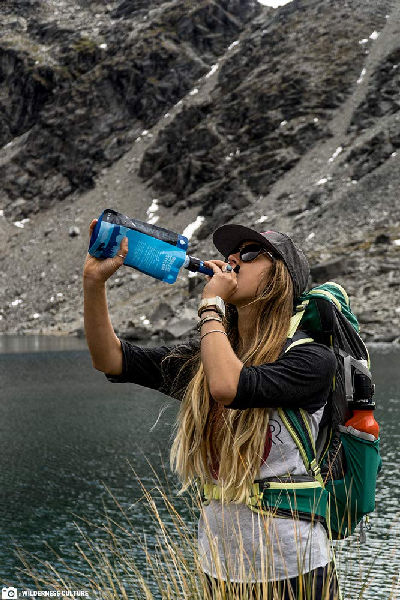
These filters can handle many gallons of water before needing replacement, making them ideal for long-term survival scenarios. They’re designed to be lightweight and are often small enough to fit in a bug-out bag or even a pocket, ensuring they are always accessible when needed. These filters are also effective in both wilderness environments and urban settings where traditional water sources may be compromised.

One of the key advantages of portable water filters is that they don’t rely on electricity or complex systems, making them dependable in grid-down situations. They can be used with water collected from streams, lakes, ponds, or even rainwater, making them versatile in various environments.
However, portable water filters are typically not effective against viruses or chemical contaminants, so it’s important to use them in conjunction with other purification methods if you’re dealing with highly contaminated water. For most survival scenarios, though, portable filters offer a lightweight, user-friendly solution for staying hydrated.
Water Purification Tablets
The second essential water filtration method is the use of water purification tablets. These tablets are a chemical solution for treating water and are especially useful in emergency situations where filtering alone may not be enough.
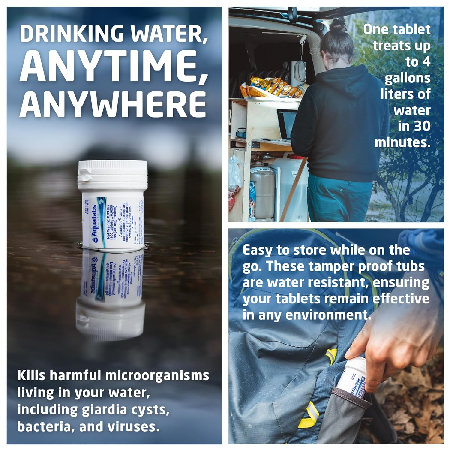
Water purification tablets, typically made with chlorine dioxide or iodine, kill bacteria, viruses, and protozoa, making water safe to drink. Tablets are lightweight, take up very little space, and are easy to carry, making them a great addition to any emergency preparedness kit. They are ideal for situations where you’re on the move and need to purify water quickly, as they can treat a liter of water in as little as 30 minutes.
One of the major benefits of water purification tablets is their effectiveness against viruses, something that most portable filters cannot handle on their own. In disaster scenarios where water sources are contaminated with human waste, viruses like norovirus or hepatitis A could be present, and using tablets can eliminate that threat.
However, there are some drawbacks to consider. Water treated with tablets can sometimes have an unpleasant taste, particularly when iodine is used. To counter this, some people choose to carry neutralizing tablets, which can reduce the aftertaste.
Also, while tablets are excellent for killing microorganisms, they do not remove physical debris or chemical pollutants, so pre-filtering the water or using additional filtration methods is often necessary for murky or heavily polluted water.
Gravity-fed Water Filtration Systems
The third method is using a gravity-fed water filtration system. These systems are particularly useful in situations where you’re in a stationary location, such as during long-term power outages, camping, or sheltering in place.
Gravity filters work by allowing water to flow through multiple stages of filtration using the force of gravity, which makes them highly effective at removing a wide range of contaminants.
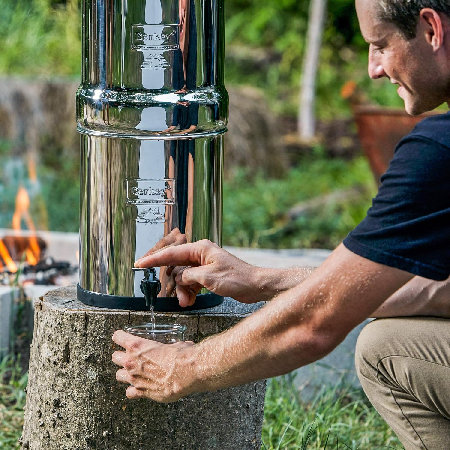
Systems like the Berkey or Platypus GravityWorks are well-known examples. These systems can remove bacteria, protozoa, and viruses, and some models can even reduce chemical contaminants like pesticides and heavy metals.
A gravity-fed filtration system offers a high-capacity option, often allowing you to filter large quantities of water at once. This makes it an ideal solution for families or groups where individual portable filters may not provide enough water for everyone.
While gravity filters are bulkier than portable filters or tablets, they provide an ongoing supply of clean water without the need for chemicals or electricity. This makes them particularly valuable for longer-term emergencies, where consistent access to clean water is critical.
One downside of gravity-fed systems is that they are not as portable as other methods, so they are better suited for situations where you’re staying in one place for an extended period.
Setting them up can also take time, as gravity filtration tends to be slower compared to pumping or using tablets. However, the trade-off is a highly effective, low-maintenance solution for continuous access to filtered water, which can be vital during emergencies.
Multiple Water Filtration Options
In addition to these primary methods, it’s important to consider pre-filtering water when you’re dealing with muddy or debris-filled sources. A simple bandana or cloth can be used to remove larger particles before using any of the filtration or purification methods mentioned above. Combining methods, such as using a portable filter alongside purification tablets, can provide an extra layer of safety, particularly when the water source is questionable.
Each of these water filtration methods – portable filters, purification tablets, and gravity-fed systems – has its strengths and ideal use cases.
- Portable filters are perfect for individuals on the move, offering lightweight and effective filtration for bacteria and protozoa.
- Water purification tablets are quick, easy, and essential for killing viruses in contaminated water.
- Gravity-fed water filtration systems are ideal for families or larger groups in stationary locations, providing clean water over an extended period.
By understanding the advantages and limitations of each method, you can better prepare for various emergency situations.
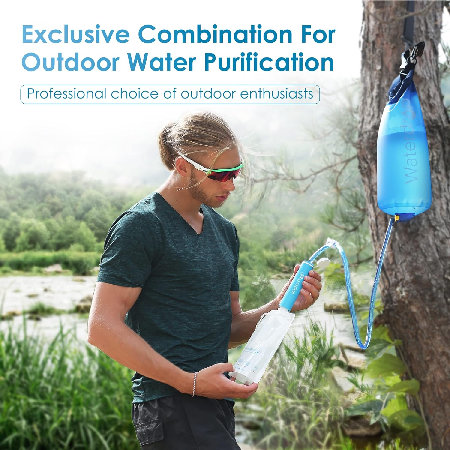
Having multiple water filtration options at your disposal is key to ensuring long-term survival in an emergency. Water sources can vary greatly in quality depending on the environment, and conditions can change unexpectedly.
By including a combination of these methods in your emergency kit, you increase your chances of having safe, clean water in any situation. Ultimately, access to clean water is one of the most important aspects of survival, and being prepared with the right filtration methods is essential for staying healthy and hydrated during emergencies.
