
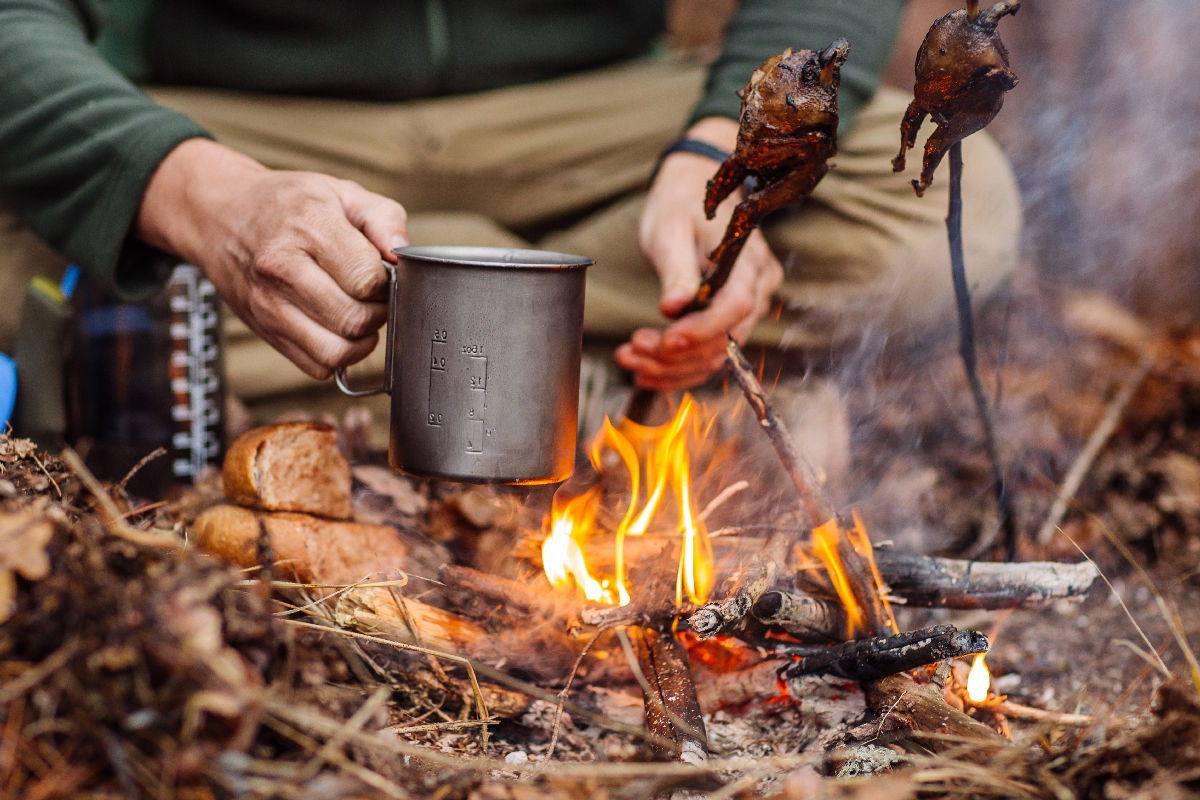
Building and Maintaining a Fire
Mastering firecraft, the skill of building and maintaining a fire, is essential for survival and comfort in many scenarios, from wilderness adventures to emergency situations where traditional heating and cooking methods are unavailable.
Invest in diverse fire-making tools such as matches, lighters, flint strikers, magnesium fire starters, and solar fire starters. Each tool requires specific skills to use effectively. For instance, mastering a flint striker involves striking it at the correct angle to produce sparks, while using a magnesium fire starter requires shaving flakes off the block before igniting them.
Solar fire starters, which use the sun’s rays to ignite tinder, demand clear, sunny conditions to function properly. Practice with these tools to ensure you can reliably start a fire in various environmental conditions.
Fire serves multiple purposes, including warmth, cooking, purifying water, signaling for help, and protection from wildlife. Here’s a comprehensive guide to building and maintaining a fire, tailored for both beginners and experienced preppers:
The fire triangle consists of three essential elements: heat, fuel, and oxygen. Removing any one of these elements will extinguish a fire. Understanding this concept is crucial for both starting a fire and putting it out safely.
Gathering Materials
Tinder: Collect dry, lightweight materials that catch fire easily, such as dry leaves, pine needles, or cotton balls soaked in petroleum jelly.
Kindling: Gather small sticks and twigs that will catch fire from the tinder and help build the fire up.
Fuel Wood: Look for larger pieces of wood that will burn for longer periods. Ensure the wood is dry; wet wood will smoke and is difficult to burn.
Selecting a Site
Choose a safe, open location away from trees and brush. Clear a space on bare earth to prevent the fire from spreading. If available, use a fire ring or build a ring of rocks to contain the fire.
Fire Layouts
Teepee: Place tinder in the center and build a teepee of kindling around it. Add larger sticks as the fire grows. This structure allows good airflow and is ideal for quick, hot fires.
Log Cabin: Start with a base of kindling, then stack larger pieces of wood in a crisscross pattern. This method is great for long-lasting fires and cooking.
Lighting the Fire
Light the tinder with matches, a lighter, or a fire starter. Gently blow at the base of the fire to provide additional oxygen, which will help the fire grow. Add more kindling as the fire catches, and gradually add larger pieces of wood.
Maintaining the Fire
Regulate Oxygen Flow: Adjust the spacing between logs to increase or decrease oxygen flow, controlling the fire’s intensity.
Add Fuel Gradually: Add larger pieces of wood as needed, but avoid smothering the fire. Keep the fire at a manageable size.
Safety First: Never leave a fire unattended. Keep water or a shovel nearby to extinguish the fire if necessary.
Extinguishing the Fire
Ensure the fire is completely out before leaving the site. Douse it with water, stir the ashes with a stick, and douse it again. The fire is not out until you can place your hand over the ashes without feeling heat.
Advanced Tips
Wet Weather Fire Starting: Carry waterproof matches or a fire starter. Use resin-rich woods like pine, which can burn even when wet, as kindling.
Wind Protection: Build a windbreak with logs or rocks to protect your fire in windy conditions.
Efficient Cooking: Use coals rather than open flames for cooking to distribute heat more evenly and prevent burning.
Mastering firecraft is a blend of knowledge, skill, and respect for nature. It requires practice, patience, and adherence to safety principles. By understanding the basics of building and maintaining a fire, you’re equipped to harness one of nature’s most powerful tools, ensuring warmth, safety, and sustenance in various survival situations.
