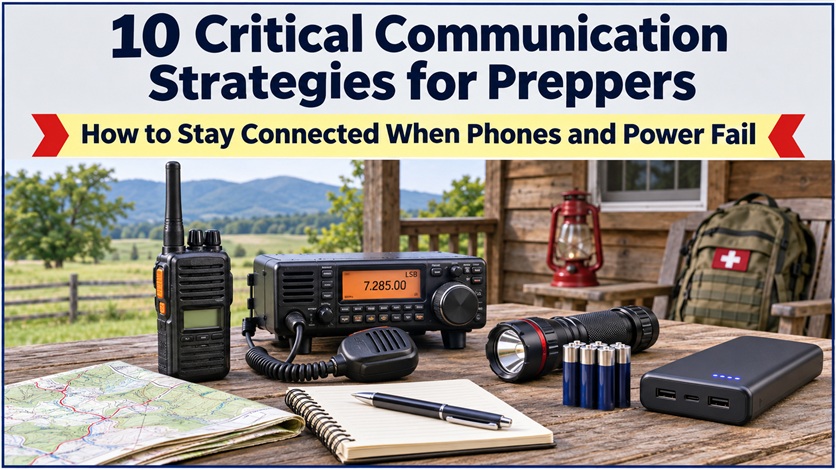
10 Critical Communication Strategies Every Prepper Should Know
How to Stay Connected With Family and Others When Phones, Internet, and Power Fail
Imagine a powerful storm moving through your area. The electricity goes out, cell phone service becomes unreliable, and your internet connection disappears. You need to contact family members, check on neighbors, or find out what’s happening, but your usual communication methods aren’t working.
It’s a situation nobody wants to experience, yet it happens during hurricanes, tornadoes, floods, wildfires, and other emergencies. And when communications fail, even a relatively manageable situation can quickly become stressful.
That’s why emergency communication planning should be part of every prepper’s survival strategy.
The good news is that staying connected doesn’t require expensive equipment or advanced technical knowledge. With a few dependable tools, a practical plan, and some regular practice, you can improve your ability to communicate when everyday systems aren’t available.
Here are 10 important strategies to help you prepare.
1. Have More Than One Way to Communicate
One of the biggest mistakes preppers make is relying entirely on cell phones. They’re convenient, but cellular networks can become overloaded or stop working during power outages and severe weather.
A better approach is to have several communication methods available.
Consider including:
- Cell phones: Useful when cellular networks are operating.
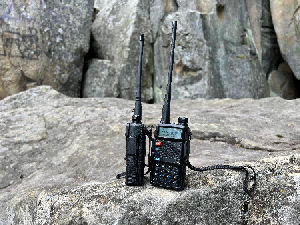
- Two-way radios: Convenient for communicating with nearby family members or neighbors.
- Ham radios: Useful for communicating over different distances with appropriate equipment and operating privileges.
- Satellite communicators: Can provide messaging or emergency assistance features in areas with suitable satellite coverage.
- Whistles and flashlights: Simple tools for attracting attention or sending basic signals.
You don’t need to purchase everything at once. Start with a dependable backup method, learn how to use it, and expand your equipment as your needs and budget allow.
2. Learn Basic Radio Communication Skills
Owning a two-way radio is helpful, but knowing how to use it properly is just as important. During an emergency, confusing messages and unnecessary conversations can make communication more difficult.
Practice speaking clearly, identifying yourself when appropriate, and keeping messages brief. Think about what you need to say before pressing the transmit button.
For example, instead of giving a long explanation, you might say, “This is John. We’re safe at home, but the power is out. Please confirm you received this message.”
Learn how to adjust your radio’s volume, select channels, and recognize when someone else is transmitting. These basic skills can make a big difference when communication becomes stressful.
3. Establish a Family Emergency Channel
When an emergency happens, everyone should know how to contact one another. Deciding which radio channel to use ahead of time eliminates unnecessary confusion.
Choose a primary channel for family communication and identify a backup in case the first becomes unavailable. Make sure everyone knows how to select the correct channel and use the equipment.
For services such as FRS, GMRS, and amateur radio, use channels or frequencies permitted for your equipment and operating privileges. Some radio services require licensing, so check the rules before transmitting.
It’s also smart to establish regular check-in times. This helps family members stay informed while conserving battery power and reducing unnecessary radio traffic.
4. Create a Family Communication Tree
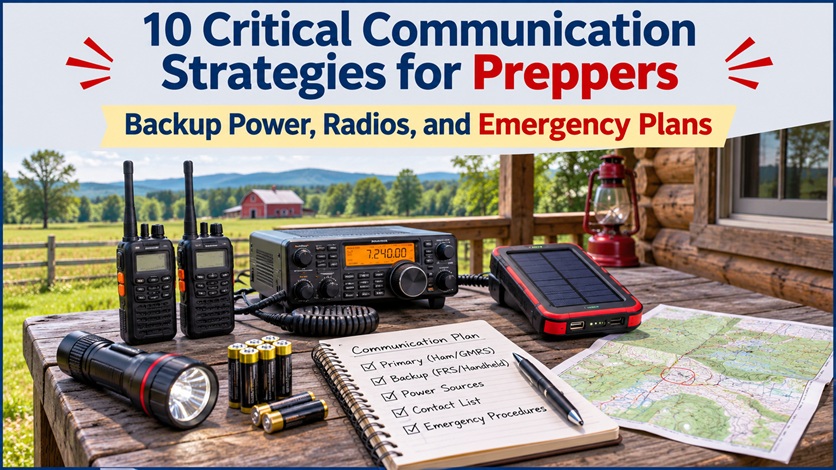
A communication tree is simply an organized way to share information among family members, friends, or a preparedness group.
Instead of having everyone contact the same person, assign individuals to pass information along to others.
For example, one family member might contact relatives in another town, while another checks on nearby neighbors. Each person then shares important updates with their assigned contacts.
A good communication tree should include:
- Primary and backup contacts
- Important telephone numbers
- An out-of-area emergency contact
- Planned meeting locations
- Alternate ways to exchange information
Keep printed copies available because you may not be able to access contact information stored online.
This simple system can reduce confusion and help everyone receive important updates.
5. Learn a Few Basic Emergency Signals
Modern communication equipment is useful, but sometimes the simplest methods are the most dependable.
Whistles, flashlights, hand signals, and basic Morse code can help communicate when speaking isn’t practical or electronic devices aren’t available.
One internationally recognized distress signal is SOS in Morse code: three short signals, three long signals, and three short signals.
You don’t have to become a Morse code expert to benefit from learning a few signals. Start with SOS and establish simple family signals for getting attention or indicating that assistance is needed.
When using flashlights or other signals, make sure everyone understands their meaning before an emergency occurs. Avoid complicated systems that people are likely to forget under pressure.
6. Keep Backup Power Available
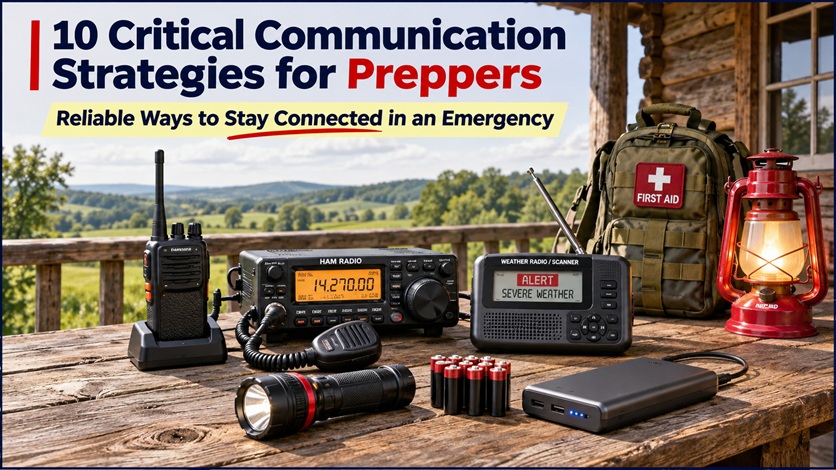
Even the best communication equipment becomes useless when its batteries are exhausted.
That’s why backup power deserves a place in every emergency preparedness plan.
Useful options include:
- Extra batteries for radios and flashlights
- Fully charged portable power banks
- Solar battery chargers
- Rechargeable battery packs
- Hand-crank emergency radios
- Vehicle charging adapters
Choose power sources compatible with your equipment and store them somewhere accessible.
Remember that solar chargers depend on sunlight, and hand-crank devices generally produce limited power. They’re useful backups, but they shouldn’t be your only charging options.
Check batteries and charging equipment periodically. A little routine maintenance can prevent unpleasant surprises when you need your devices most.
7. Establish Clear Emergency Words and Signals
During a stressful situation, people may misunderstand instructions or forget what they’re supposed to do.
Agreeing on a few simple emergency phrases ahead of time can help family members communicate more clearly.
For example, you might establish a phrase indicating that everyone should move to a designated safe location. Another could mean that someone needs assistance or that it’s time for a scheduled check-in.
Keep these phrases easy to remember and make sure everyone understands their meaning.
However, don’t rely on unusual code words when contacting emergency responders. Plain, direct language is usually the best choice when requesting help or describing a dangerous situation.
The goal is to make communication easier, not create another system people have to struggle to remember.
8. Consider Learning to Use a Ham Radio
Amateur radio, commonly called ham radio, can be a valuable communication option when ordinary networks aren’t working.
Depending on the equipment, frequencies, terrain, and available repeaters, amateur radio can support local, regional, and sometimes long-distance communication.
However, ham radio requires some training and familiarity with operating procedures.
In the United States, an FCC amateur radio license is generally required to transmit, apart from specific legal exceptions.
Getting started doesn’t have to be difficult. Local amateur radio clubs often welcome beginners and may provide classes, demonstrations, and opportunities to practice.
Learning from experienced operators can help you understand what different radios can realistically accomplish.
9. Practice Your Emergency Communication Plan
Having radios, batteries, and contact lists is a good beginning, but preparation doesn’t end there.
You also need to know whether your plan actually works.
Set aside time occasionally to practice a few realistic situations.
You might:
- Contact a family member using two-way radios.
- Test reception from your driveway or outbuildings.
- Practice switching to a backup channel.
- Check your emergency contact list.
- Test battery-powered equipment.
- Practice communicating during a simulated power outage.
For households with children or older family members, make sure everyone understands the parts of the plan they’re expected to follow.
Regular practice reveals problems while there’s still time to correct them. It also helps family members feel more confident if an actual emergency occurs.
10. Know Where to Get Reliable Emergency Information
Communication isn’t just about talking to other people. It’s also about receiving accurate information concerning weather conditions, evacuation instructions, and local emergencies.
A battery-powered NOAA Weather Radio can be especially valuable during severe weather in the United States. Local emergency management agencies, public safety broadcasts, and official alerts are other important information sources.
Before an emergency, identify which services provide alerts for your community.
Keep a written list of:
- Local emergency contact numbers
- Weather radio information
- Official emergency alert sources
- Family communication channels
- Nearby shelters and meeting locations
Store the list with your emergency supplies and keep another copy somewhere convenient.
Reliable information helps you make better decisions instead of depending on rumors or incomplete reports.
Good Communication Starts Before an Emergency
When disaster strikes, knowing what’s happening and being able to contact others can make an enormous difference.
Fortunately, developing a dependable emergency communication plan doesn’t require purchasing every radio or survival gadget on the market.
Start with the basics. Have more than one way to communicate, establish a family contact plan, keep backup power available, and learn how to receive reliable emergency information.
Then practice your plan occasionally to make sure everyone knows what to do.
Remember, communication equipment is only one part of emergency preparedness. Knowing how to use those tools and having a clear plan for your family are equally important.
A little preparation today can help you stay informed, reduce confusion, and protect the people who matter most when an emergency occurs.
The best time to prepare your communication plan is before you need it.