
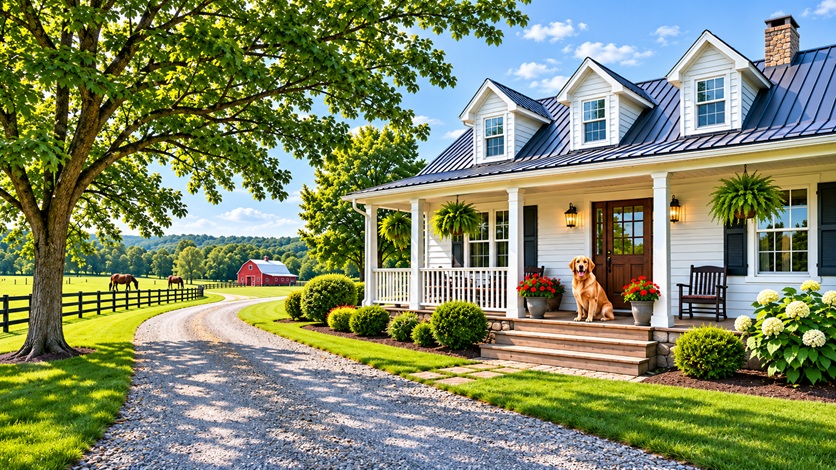
How to Keep Your Country Home Safe: 5 Simple Security Habits That Work
Practical ways to protect your rural home using everyday habits, watchful pets, trustworthy neighbors, and a little common sense.
One of the best things about country living is the peace and quiet. You can enjoy your garden, spend time with your animals, work outdoors, and relax without the constant activity of a busy neighborhood.
But living away from town also means you may not have neighbors close enough to notice when something unusual happens. An unfamiliar vehicle, an open gate, or unexpected movement around a barn might go unnoticed unless someone is paying attention.
Fortunately, keeping your country home safe isn’t just about buying locks, alarms, and security cameras. Some of the most valuable security measures involve simple habits and a little preparation.
Here are five practical ways to make your rural property safer without turning everyday life into a security operation.
1. Make Your Property Look Occupied and Well Maintained
A well-maintained country property sends an important message. It shows that someone regularly checks the buildings, maintains the grounds, and pays attention to what happens there.
On the other hand, neglected gates, overgrown entrances, broken fencing, and accumulated packages may suggest that a property receives little attention.
That doesn’t mean every rural property needs perfectly trimmed grass and freshly painted buildings. After all, country living often involves plenty of natural spaces. But keeping important areas maintained can discourage unwanted activity.
Start with these simple habits:
- Keep the main driveway accessible and reasonably maintained.
- Repair broken gates, fences, and visible damage.
- Collect packages and mail regularly.
- Maintain frequently used walkways.
- Check barns and storage buildings periodically.
- Keep outdoor lighting in working condition.
Be especially careful when you’re away from home.
If you’re planning an extended trip, ask a trusted friend or neighbor to check your property. They might collect packages, check on animals, and make sure nothing unusual has happened.
Timers or smart lighting controls can help maintain a normal household lighting schedule.
Another important precaution is limiting what you share on social media. Avoid publicly announcing that you’ll be away for an extended period, particularly if your posts reveal where you live.
Also, be careful about sharing photographs that expose expensive equipment, spare keys, or security devices.
A little privacy can go a long way toward protecting a rural home.
2. Let Your Dog Be Part of Your Home Security Plan
If you own a dog, you may already have a helpful early-warning system.
Dogs have been watching over country homes and farms for generations. They often recognize unfamiliar sounds, approaching vehicles, and movement around their surroundings long before their owners notice anything.
A barking dog can alert you when someone approaches the driveway, walks near the barn, or comes to the front door. And sometimes, the sound of a barking dog is enough to discourage someone who doesn’t want to attract attention.
Your dog doesn’t need to be large or aggressive to be helpful. Even a small family pet may notice something unusual and let you know about it.
For homeowners who already have dogs, a few simple habits can make them part of a sensible security routine:
- Pay attention when your dog barks differently than usual.
- Teach basic commands such as come, stay, and quiet.
- Keep your dog safely contained within your property.
- Provide secure fencing or supervised outdoor activity.
- Never encourage your dog to chase or attack strangers.
Of course, dogs bark for all kinds of reasons. Wildlife, delivery drivers, passing vehicles, and neighboring animals may all trigger their attention.
That’s why barking should be treated as a signal to investigate safely, not proof that something dangerous is happening. And never expect your dog to confront an intruder.
Your pet’s safety should always come first.
A watchful family dog can be a wonderful addition to a country home’s security plan, but it should never replace good locks and other basic precautions.

3. Get to Know Your Neighbors
One of the best security resources in a rural community doesn’t require electricity, batteries, or a monthly subscription.
It’s having trustworthy neighbors who look out for one another. Even when homes are separated by fields or wooded areas, people living along the same country road often recognize familiar vehicles and normal activity. They may notice when something seems unusual.
For example, a neighbor might see an unfamiliar vehicle parked beside your barn or notice that a gate has been left open.
A quick phone call could help determine whether the activity is expected.
Building these relationships doesn’t have to be complicated. Start by getting to know nearby property owners. Exchange contact information with neighbors you trust and discuss how to reach one another if something concerning happens.
- Watch for unusual activity when someone is away.
- Notify each other about open gates or damaged fencing.
- Report unexpected problems around buildings.
- Check on animals when necessary.
- Share information about legitimate contractors or visitors.
Of course, unfamiliar activity doesn’t automatically mean someone is doing anything wrong.
Delivery drivers, utility workers, contractors, and invited guests may have perfectly legitimate reasons to be in the area. The idea isn’t to create a neighborhood patrol or confront strangers. It’s simply to build a community where people share useful information and help one another when needed.
Good neighbors are one of the overlooked advantages of country living.
4. Know What to Do When an Unwanted Visitor Appears
No matter how carefully you protect your property, someone may occasionally enter without permission.
Sometimes, it’s an innocent mistake. A person may be lost, following an unfamiliar trail, or looking for a nearby address.
Other situations may be more concerning.
That’s why having a plan before something happens is important.
If someone appears to be lost and you can communicate safely, a calm explanation that they’re on private property may be enough to resolve the problem. However, avoid approaching unfamiliar people when you’re unsure of their intentions.
Never put yourself or your family in danger simply to protect property.
If someone behaves threateningly, refuses to leave, or appears to be committing a crime, move to a safe location and contact law enforcement. Avoid chasing trespassers, attempting to physically detain them, or using dangerous traps.
If you can safely observe the situation, record useful information such as:
- The date and time
- Where the person entered
- A vehicle description
- The direction of travel
- Any available photographs or security footage
These details may help law enforcement understand what happened.
Remember that trespassing laws and property owner rights vary by state and locality. Become familiar with the rules in your area rather than assuming the same laws apply everywhere. The most important thing is to remain calm, avoid unnecessary confrontation, and prioritize personal safety.

5. Create a Simple Rural Home Security Routine
One of the easiest ways to improve property security is to make it part of your regular maintenance schedule.
You probably already check your garden, maintain your equipment, inspect buildings, and keep an eye on your animals. Adding a few security checks to those normal activities doesn’t require much extra time. In fact, a simple weekly routine may help you notice problems before they become serious.
Your Weekly Rural Property Security Checklist
- Check commonly used gates and locks.
- Inspect doors on barns, sheds, and workshops.
- Make sure outdoor lights are working.
- Check driveway alarms and security cameras.
- Look for damaged fencing or missing signs.
- Check for unusual activity around outbuildings.
- Make sure valuable equipment is stored securely.
Your Seasonal Security Checklist
Every few months, take a broader look at your property.
- Trim vegetation blocking cameras or signs.
- Inspect gates and fences after severe weather.
- Check batteries in remote alarms and cameras.
- Review wooded trails and unused access roads.
- Update your inventory of valuable equipment.
- Make sure emergency contact information is current.
Seasonal conditions can affect rural property security in ways homeowners sometimes overlook.
Thick summer vegetation may block camera views or hide boundary signs.
Winter weather can reduce the performance of some battery-powered and solar-powered devices.
Strong storms may damage fencing, interrupt electrical service, or affect internet connections.
A little seasonal attention can help keep your security measures working as intended.
And here’s another helpful idea:
Keep a written security checklist somewhere convenient. It doesn’t have to be complicated. A single page attached to a clipboard or stored on your phone may be all you need.
The important thing is developing a routine you’ll actually follow.
Country Home Security Starts With Everyday Awareness
Living in the country should be peaceful, enjoyable, and rewarding. You shouldn’t have to spend every day worrying about unfamiliar vehicles, unwanted visitors, or someone wandering across your land.
Fortunately, good security doesn’t always require expensive equipment. Sometimes, the most effective precautions are the habits you practice every day.
A well-maintained property, an alert family dog, trustworthy neighbors, and a simple inspection routine can all help you notice potential problems.
Just as importantly, knowing how to respond safely when someone enters without permission can prevent a stressful situation from becoming more dangerous.
The best approach is to combine everyday awareness with sensible security precautions.
Start by making a few small changes. Get to know a neighbor. Check your gates this weekend. Review your security routine. And pay attention when your dog alerts you to something unusual.
None of these steps requires a large investment. But together, they can help protect your home, land, animals, and belongings. After all, the real purpose of country home security is simple.
It’s about having greater peace of mind so you can spend more time enjoying everything that makes rural living special.


